

 +86 755 23315732 / +86 130 5809 3865
+86 755 23315732 / +86 130 5809 3865
+86 755 23315732 / +86 130 5809 3865LiveChatclose
Developing a new healthcare product requires more than finding a manufacturer. It requires a clear understanding of the intended application, product specifications, user requirements, technical feasibility, quality expectations, manufacturing requirements and target-market considerations.
Eiffel Medical provides custom medical product development support for companies that want to transform a product concept, market requirement or existing product idea into a manufacturable healthcare solution.
Our development approach connects product definition, design coordination, prototype development, engineering review, testing, production planning, quality control and commercialization. This helps customers move from an initial concept toward a practical product that is designed for manufacturing and prepared for scalable production.
Whether you are developing a new portable healthcare device, improving an existing medical product, creating a customized product configuration or adapting a product for a specific market, our team can coordinate the development process around your requirements.
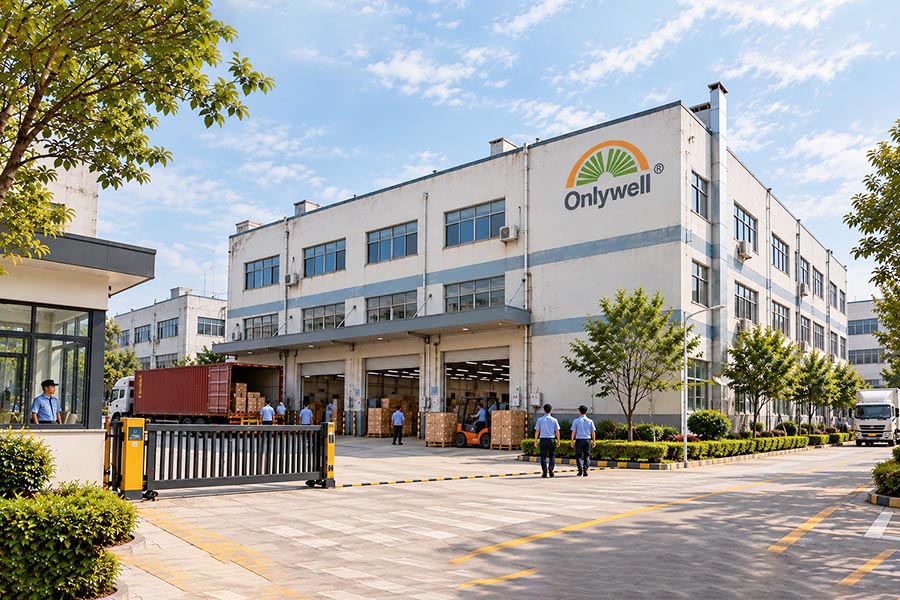
Custom medical product development is the process of transforming a specific healthcare requirement into a defined, tested and manufacturable product.
Unlike standard OEM production, where the product specification is generally established before manufacturing begins, custom development may start with a broader requirement such as:
A new healthcare product concept
An existing product that needs modification
A customer-specific functional requirement
A new product configuration for a target market
A request to combine existing product functions
A need for a more compact or user-friendly design
A product concept requiring prototype development
A healthcare product requiring customized packaging and user documentation
The development process therefore involves more decisions before mass production.
Depending on the project, these decisions can include product functions, dimensions, materials, electronic components, user interface, power supply, display configuration, accessories, packaging, labeling, testing requirements and production specifications.
The objective is not simply to make a product look different. It is to develop a practical product specification that can be consistently manufactured and controlled.
A strong development project begins with a clear understanding of what the product needs to accomplish.
At the beginning of a project, Eiffel Medical works with customers to clarify the intended use, target users, required functions, product positioning and expected production volume. This provides a foundation for subsequent design and engineering decisions.
For example, a customer developing a portable healthcare product may need to determine:
What information the product needs to measure or display
Who will use the product
Where the product will be used
What level of portability is required
What power source should be used
What user interface is appropriate
What accessories are required
What packaging configuration is suitable
Which target markets need to be considered
This early product definition stage can identify potential manufacturing challenges before significant resources are invested in tooling or mass production.
Good medical product development starts with a clear product requirement, not with production alone.
Eiffel Medical's development capabilities can support a range of healthcare product categories and project requirements.
Portable healthcare devices can require careful coordination between functionality, electronics, housing design, user interface and manufacturing.
Potential product categories include:
Digital thermometers
Infrared thermometers
Blood pressure monitors
Pulse oximeters
Nebulizers
Other portable healthcare monitoring and care devices
For these products, development may involve product configuration, component selection, housing design, display requirements, power systems, accessories, packaging and production specifications.
Some projects focus on customized medical supplies rather than electronic devices.
Development considerations may include:
Material selection
Dimensions
Functional performance
Packaging configuration
Label requirements
Product specifications
Manufacturing consistency
Quality inspection criteria
This can be particularly useful when an existing standard product does not fully match a customer's application or market requirements.
Some projects do not fit neatly into a single product category.
Customers may require a combination of product modifications, accessories, packaging, branding or functional adjustments. In these cases, the development process can be structured around the customer's specific product requirement rather than a predefined product model.
A clear development workflow helps reduce uncertainty and keeps communication aligned between the customer and manufacturing team.
The first step is to define the product requirement.
Customers can provide drawings, reference samples, product specifications, market requirements, photographs or simply describe the intended product concept.
The development team reviews the available information and identifies key requirements such as:
Intended application
Product functions
Dimensions
Materials
Performance expectations
User requirements
Packaging
Target production volume
Target market
Required customization
When the original concept is incomplete, the requirement can be refined before moving into detailed development.
Not every product concept can be manufactured economically or consistently at scale.
A feasibility review helps evaluate whether the proposed product can be developed using appropriate materials, components, production methods and quality controls.
Potential issues may include component availability, production complexity, tooling requirements, assembly processes, packaging constraints or expected production costs.
Identifying these factors early can help customers make better development decisions.
After the product requirements are clarified, design and engineering specifications can be developed.
Depending on the project, this may involve:
Product structure
Housing configuration
Component arrangement
Material specifications
Functional design
User interface
Accessories
Packaging structure
Product dimensions
Manufacturing requirements
The goal is to translate the product concept into specifications that can be evaluated and eventually manufactured.
Prototype development allows customers to evaluate the proposed product before committing to larger-scale production.
A prototype can help verify:
Product appearance
Physical dimensions
Functional configuration
User experience
Component arrangement
Packaging concept
Required modifications
Prototype evaluation is particularly valuable when the product involves new configurations or customer-specific requirements.
Feedback from prototype review can then be incorporated into subsequent development stages.
Healthcare products require appropriate testing and quality evaluation based on their intended use and target market.
Depending on the product, development may involve functional checks, performance testing, material verification, safety-related evaluations or other applicable testing requirements.
The exact testing and regulatory pathway depends on the product type, intended use and destination market.
Eiffel Medical coordinates development information with manufacturing and quality requirements so that product specifications can be established before production.
Once the product configuration is finalized, the development project moves toward manufacturing preparation.
This stage can include:
Final product specifications
Component confirmation
Production documentation
Quality inspection requirements
Packaging specifications
Label information
Production process coordination
Sample approval
Manufacturing planning
The objective is to make sure the approved product can be reproduced consistently rather than treating each production batch as a separate development project.
Where appropriate, pilot production provides an opportunity to evaluate the manufacturing process before full-scale production.
The focus can include product consistency, assembly quality, packaging, labeling and production efficiency.
Any identified issues can be reviewed and corrected before larger production volumes are released.
After product approval and production preparation, the project can transition into regular manufacturing.
Eiffel Medical can coordinate production, quality inspection, packaging and delivery according to the agreed product specifications and commercial requirements.
This creates a continuous path from concept development to production and global supply.
A product can perform well as a prototype but still encounter difficulties when production volume increases.
This is why design for manufacturing should be considered during the development stage.
A manufacturable product should take into account factors such as component availability, assembly complexity, production tolerances, inspection requirements, packaging efficiency and repeatability.
For example, a design modification that looks minor from a product perspective may significantly affect tooling, assembly time or production consistency.
By considering manufacturing requirements early, companies can reduce unnecessary redesign and improve the transition from prototype to production.
The goal of custom product development is not only to create a product that works—it is to create a product that can be produced consistently.
Portable healthcare devices often require close coordination between mechanical, electronic and manufacturing requirements.
For a digital thermometer, development considerations may include probe configuration, display design, power supply, housing structure, measurement-related requirements and packaging.
For a blood pressure monitor, product development can involve the monitor unit, cuff configuration, display interface, power options, accessories and product packaging.
For a pulse oximeter, considerations may include device size, display configuration, sensor structure, battery requirements, housing design and user interface.
For a nebulizer, development may involve the device housing, medication container, operating mechanism, accessories, noise considerations, packaging and user requirements.
These examples illustrate why custom medical product development should be approached as a coordinated product-development project rather than simply a branding exercise.
Quality should be incorporated into product development from the beginning.
For healthcare products, specifications need to be clear enough for purchasing, production and quality teams to work from the same product definition.
Depending on the project, development documentation may cover:
Product specifications
Approved samples
Component information
Packaging requirements
Label requirements
Inspection criteria
Production requirements
Revision records
Testing information
Clear documentation also helps prevent specification drift when products move from development into repeat production.
For customers managing international distribution, this structured approach can provide a stronger foundation for communication between product, purchasing, quality and manufacturing teams.
Regulatory requirements vary according to product type, intended use and target market.
A product intended for one market may require different documentation, labeling or compliance considerations from a product intended for another market.
For this reason, regulatory requirements should be considered during product planning rather than after development has been completed.
Eiffel Medical can coordinate product information and manufacturing requirements with customers during the development process. Customers should also confirm the applicable regulatory pathway and market-specific requirements with their regulatory specialists or competent authorities.
This distinction is important: product development and regulatory approval are related but are not the same process.
A well-defined development project provides the technical and manufacturing information needed to support the applicable compliance process.
Custom medical product development requires more than product sourcing. It requires communication between product requirements, engineering considerations, manufacturing capability and quality control.
Eiffel Medical brings these elements together through a structured development and manufacturing workflow.
Our capabilities include:
Healthcare product development coordination
Customized product specifications
Prototype development support
Manufacturing feasibility review
Production preparation
Quality control coordination
Packaging and labeling coordination
OEM and private-label manufacturing
Global delivery support
Our experience across medical supplies and portable healthcare products also allows customers to discuss product requirements with a team familiar with real manufacturing considerations.
The focus is practical: define the product clearly, evaluate feasibility, develop the required configuration, validate the result and prepare it for repeatable production.
This service is suitable for companies that have a product requirement but need manufacturing and development support to turn it into a commercially viable product.
Typical customers include:
Medical product distributors
Healthcare brands
Medical supply companies
Importers and wholesalers
Retail healthcare brands
E-commerce healthcare businesses
Established manufacturers expanding their product portfolio
Companies developing new healthcare solutions
It can also be suitable for businesses that already have an existing product but want to modify its configuration, packaging, functions or market positioning.
Choosing the right cooperation model depends on how much of the product is already defined.
Standard OEM is generally appropriate when the product specifications are already established and the primary requirement is manufacturing under the customer's brand or specifications.
Private label is suitable when the customer wants to commercialize an existing product with customized branding, packaging and labeling.
Custom medical product development is more appropriate when the product itself needs to be defined, modified, engineered or developed around a specific requirement.
In simple terms:
Existing product + branding → Private Label
Defined product + manufacturing → OEM
Product concept or significant customization → Custom Medical Product Development
This distinction helps customers choose the right starting point without unnecessarily complicating a straightforward production project.
A successful project does not necessarily begin with a complete engineering drawing.
Customers can start with the information they already have, such as:
Product concept
Reference product
Product photographs
Technical drawings
Required functions
Target price range
Target market
Expected order volume
Packaging requirements
The more clearly the initial requirements are defined, the more efficiently the development team can assess feasibility and propose the next step.
For new projects, we recommend starting with the product requirement and intended application, followed by technical feasibility and development planning.
This keeps the development process focused on the final commercial objective rather than unnecessary customization.
Custom medical product development is the process of turning a specific healthcare product concept or requirement into a defined, tested and manufacturable product. It may include product specification, design coordination, prototyping, testing, production preparation and manufacturing.
Yes. An existing product or reference sample can provide a useful starting point. The development team can review the sample and determine which characteristics need to be maintained, modified or redesigned.
Custom development projects can include portable healthcare devices such as digital thermometers, blood pressure monitors, pulse oximeters and nebulizers, depending on the required specifications and project feasibility.
Not necessarily. Customers can start with product concepts, reference samples, photographs or functional requirements. More detailed technical documentation can be developed as the project progresses.
Prototype development can be arranged where appropriate. Prototype evaluation allows customers to review the proposed configuration and provide feedback before larger-scale manufacturing.
Yes. Packaging, labeling, accessories and product presentation can be incorporated into the development and production planning process according to the project requirements.
Yes. Target-market considerations can be included during product planning. However, applicable regulatory and market-entry requirements should be confirmed for the specific destination market.
Regulatory considerations should be identified as early as possible because they can affect product specifications, documentation, testing, labeling and intended use.
Yes. Product modification can sometimes be more efficient than developing a completely new product, particularly when the existing platform already meets many of the required functions.
Useful information includes the intended application, product concept, required functions, reference samples or drawings, target market, expected order quantity, target specifications and packaging requirements.
From an initial product concept to prototype development, product validation, manufacturing preparation and scalable production, Eiffel Medical provides a structured pathway for companies developing customized healthcare products.
If you have an existing sample, product drawing, technical specification or simply an idea for a new healthcare product, our team can review the requirement and identify a practical development path.
Tell us what you want to develop, and let Eiffel Medical help turn your product requirement into a manufacturable healthcare solution.
Get in Touch With Eiffel Medical Today →
Contact: Claude Chan
Phone: +86 130 5809 3865
E-mail: sales@eiffelmedical.com
Add: No. 1-3/F, No.8 Building, Run-tang Industry Park, Shenzhen, China
 Send Email
 WhatsApp